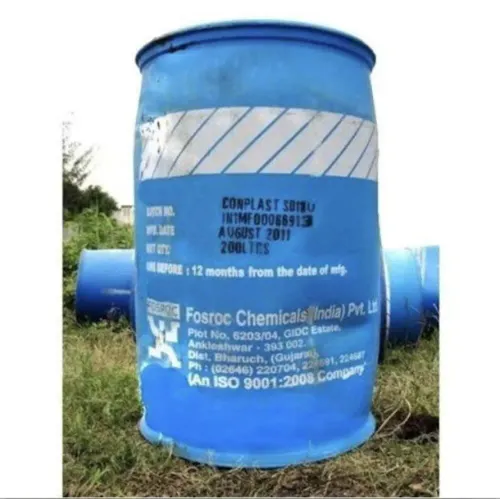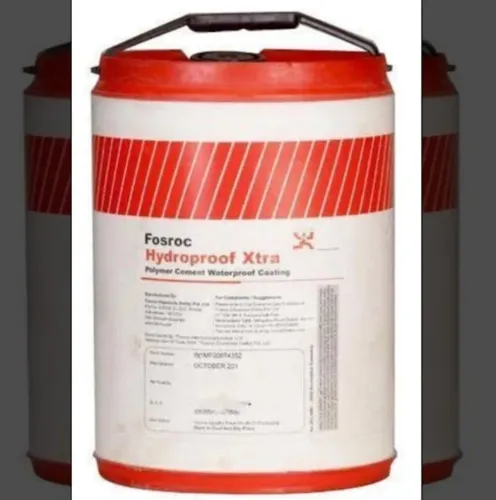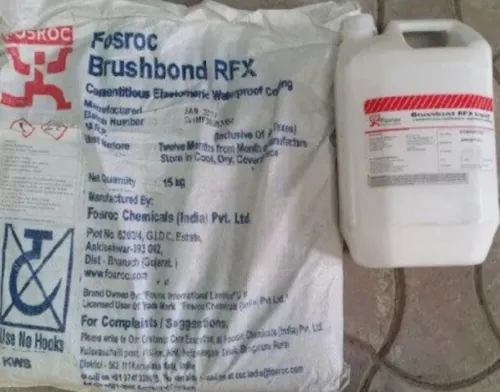
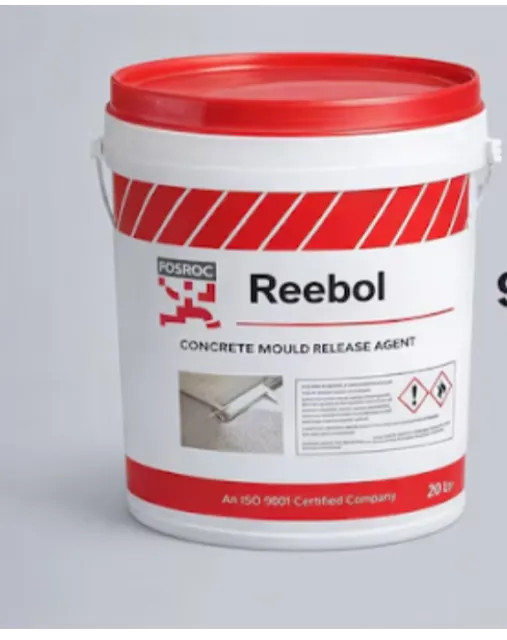
Concrete quality depends on more than just cement, aggregates, and reinforcement. The materials used during formwork preparation also influence the final finish and the efficiency of the construction process. Among these, Shuttering Oil plays an important role by creating a barrier between the concrete and the formwork, allowing for clean and easy removal once the concrete has gained sufficient strength.
For contractors, builders, and infrastructure developers handling projects across Gujarat, choosing the right shuttering oil can improve productivity while protecting expensive formwork materials.
What Is Shuttering Oil
Shuttering oil, also known as mould release oil, is a specially formulated product applied to the surface of formwork before concrete is poured. It prevents freshly placed concrete from adhering to steel, plywood, timber, or plastic shuttering, resulting in smoother concrete surfaces and easier stripping.
Using a suitable release agent also reduces damage to the formwork, allowing it to be reused multiple times.
Why It Matters in Construction
Properly applied shuttering oil offers several practical advantages:
- Produces a smoother concrete finish
- Reduces honeycombing and surface defects
- Makes shutter removal quicker and easier
- Extends the service life of formwork
- Minimises cleaning efforts after stripping
- Improves overall construction efficiency
These benefits contribute to faster project execution without compromising quality.
Where It Is Commonly Used
Shuttering oil is suitable for a wide variety of construction applications, including:
- Residential buildings
- Commercial complexes
- Industrial facilities
- Bridges and flyovers
- Retaining walls
- Precast concrete production
- Infrastructure developments
Different projects may require different formulations depending on the type of shuttering material and the expected concrete finish.
Best Practices for Application
To achieve consistent results, proper application is essential.
Follow these recommendations:
- Clean the formwork thoroughly before application.
- Apply a thin and even coat using a spray, brush, or roller.
- Avoid excessive application, which can stain the concrete surface.
- Ensure complete coverage without leaving dry areas.
- Protect coated formwork from dust before concrete placement.
Uniform application helps produce an attractive concrete finish while reducing material wastage.
Common Mistakes That Affect Results
Several issues can reduce the effectiveness of shuttering oil, such as:
- Applying an excessive quantity
- Using unsuitable products for specific formwork materials
- Applying the oil on dirty surfaces
- Skipping regular maintenance of reusable formwork
- Using degraded or contaminated release agents
Avoiding these mistakes helps maintain consistent concrete quality throughout the project.
Selecting the Right Product
Construction professionals often choose shuttering oil based on project scale, type of formwork, weather conditions, and desired surface finish. A quality product should provide reliable release performance without affecting concrete strength or future surface treatments such as plastering or painting.
Many contractors across Gujarat prefer suppliers that provide technical recommendations alongside construction chemical products. Dolfin Projects offers solutions that support efficient formwork operations for residential, commercial, and industrial construction projects.
Choosing the appropriate Shuttering Oil helps improve productivity, reduce maintenance of formwork systems, and achieve cleaner concrete finishes. A small investment in the right release agent can make a noticeable difference in construction quality, cost control, and project timelines.
Keywords