A construction chemical only performs as intended when its selection, dosage, installation conditions, and verification match the project’s actual risks. By the end, you will be able to assess how supplier support should connect design decisions with trials, site control, inspection, and troubleshooting.
Key takeaways
- Match the system to pressure, chemicals, traffic, cracking, and temperature exposure.
- Request batch records, technical data, test results, and application instructions before delivery.
- Control storage, mixing, substrate preparation, coverage, curing, and installation conditions on site.
- Record test results and site conditions so recurring failures can be traced and corrected.
How Do You Match the Chemical System to the Project’s Exposure?
Construction chemical selection starts with exposure and failure risk, not a product category. Assess hydrostatic pressure, groundwater, chloride exposure, sulphate exposure, freeze-thaw cycles, chemical attack, abrasion, traffic loading, and recurring cracks before choosing a system.
Positive-side waterproofing stops water before it enters the structure; negative-side waterproofing works from the opposite face, where pressure can force coatings away and trapped moisture can cause blistering or debonding.
A supplier’s design review should map construction joints, movement joints, penetrations, drains, changes in plane, terminations, and likely crack paths before procurement. These transitions need compatible waterstops, tapes, collars, sealants, primers, and termination details, not just membrane quantity.
| System | Best use | Main caution |
|---|---|---|
| Integral waterproofing admixture | Reducing concrete permeability throughout a new pour | It cannot seal poorly detailed joints or active cracks |
| Cementitious coating | Rigid mineral substrates and positive-side damp-proofing | Verify adhesion and pressure resistance |
| Crystalline system | Concrete where moisture activates pore-blocking reactions | It does not replace movement-joint detailing |
| Membrane | Continuous positive-side barrier under slabs, roofs, or walls | Protect laps, penetrations, and terminations |
| SBR-modified mortar | Patching, fillets, coves, and flexible repair interfaces | Bond improvement is not automatic waterproofing |
| Joint-sealing details | Construction joints, movement joints, cracks, and penetrations | Match movement, chemical exposure, and substrate |
Specify negative-side systems only after checking substrate condition, water pressure, and adhesion. A sound review prevents a strong field material from failing at its weakest transition.
What Must Be Proven Before an Admixture or Repair Material Reaches the Site?
ASTM C494 classification describes intended performance, not admixture compatibility with your project mix. Cement chemistry, supplementary cementitious materials, aggregate grading and moisture, water temperature, reinforcement, pump systems, and other admixtures can change setting, air, slump retention, and strength. Treat every admixture as a new formulation, not a drop-in substitution.
1. Run a trial batch with the proposed cement, SCMs, aggregates, mixing water, reinforcement constraints, pump, and full admixture combination. Record slump, slump retention, setting time, bleeding, air content, compressive strength, permeability, and finishability.
2. Calculate dosage as a percentage of total cementitious material, then correct batch water for aggregate moisture and absorption. Underdosing can leave inadequate water reduction or permeability control; overdosing can cause excessive slump, air, segregation, delayed setting, or strength loss.
3. Approve the batch only when results meet the project limits at the expected concrete temperature and placing method. Check the actual dispenser and mixing sequence during the trial, not only the laboratory formula.
4. For an SBR modified mortar, remove unsound concrete, dust, laitance, oil, and loose rust; expose and treat reinforcement where specified. Bring the substrate to the stated damp or saturated-surface-dry condition, and follow the manufacturer’s limits for dilution, water addition, and mixing.
Apply the mortar or coat at the specified thickness, cure it as directed, and protect it from premature drying.
5. Do not call improved bonding waterproofing. Verify waterproofing separately through the specified thickness, crack treatment, permeability, and water-pressure performance; a bond-promoting SBR layer alone does not stop hydrostatic leakage.
How Does Site Control Protect the Material’s Intended Performance?
Site control protects intended performance by preserving product identity, measured dosage, and application conditions from delivery through curing. At receipt, check the product name, batch number, manufacture date, shelf life, seal condition, and storage temperature. Keep containers within the label range and protect them from freezing, excessive heat, moisture, dust, oil, and other contamination.
1. For concrete batching, calibrate the dispenser, calculate the batch dose from cementitious-material quantity, and correct for aggregate moisture. Introduce the admixture at the mixing stage used in the approved trial, mix for the specified time, and record the actual dose, material temperatures, batch time, slump, and weather.
Maintain uniform aggregate grading and loading to prevent segregation.
2. If slump differs from the trial result, stop and investigate moisture, dosage, mixing time, temperature, and aggregate distribution. Do not add uncontrolled water; adjust only through the approved mix procedure and document the change.
3. For waterproofing and flooring, measure substrate temperature and confirm the required dew-point margin before application. Check concrete age, surface profile, primer, mixing ratio, pot life, and recoat window. Protect the work from rain, condensation, freezing, direct heat, dust, and traffic until the specified cure is reached.
Record each check; a missed condition can cause blistering, debonding, or premature wear even when the chemical itself is sound.
Which Tests Show That Waterproofing, Flooring, Tile, and Repairs Are Ready?
Acceptance starts with recorded evidence, not appearance. Inspect waterproofing continuity, terminations, penetrations, and specified ponding or flood-test results before concealment.
For concrete, compare the approved trial batch with site results for slump retention, setting time, air content, bleeding, compressive strength, and permeability. Record concrete temperature, curing method, curing duration, and early-age protection; a strong cube result cannot rescue concrete that dried, froze, or cracked before strength developed.
A slab can pass a surface-dryness check while retaining excessive internal moisture. Measure internal relative humidity with ASTM F2170, calcium-carbide moisture-vapour emission with ASTM F1869, and surface alkalinity separately; release resin flooring or resilient-flooring adhesive only against the system manufacturer’s stated limits.
For tile, verify substrate flatness before laying. Check tile mortar coverage by lifting tiles during installation, back-butter large-format tiles, and require at least 95% coverage in wet and exterior areas, including supported edges and corners.
For a concrete repair mortar, remove unsound concrete, treat exposed reinforcement where specified, clean dust and contamination, condition the substrate to the repair system’s moisture requirement, and assess bond. A high-strength patch over weak concrete fails at the interface.
Choose grout by exposure and maintenance demand:
| Option | Choose when | Trade-off |
|---|---|---|
| Epoxy grout | Chemical exposure and intensive cleaning demand | Durable, but difficult to repair cleanly |
| Cementitious grout | Lower chemical exposure and easier local repair | More porous and maintenance-sensitive |
How Can a Supplier Turn Project Records into Better Troubleshooting?
A traceable project submittal turns a complaint into a testable sequence. Record the product, batch, dosage, mix design, weather, substrate condition, application crew, curing, test results, and photographs of joints, penetrations, repairs, and other details before concealment. Keep this project documentation from design review through delivery, storage, batching, application, inspection, and handover.
| Symptom | Records to compare | Diagnostic direction |
|---|---|---|
| Low slump retention | Dosage, cement, mix water, temperature, slump readings | Check compatibility, moisture correction, and mixing sequence |
| Delayed or rapid setting | Batch, water temperature, cement, admixtures, weather | Compare trial-batch timing before changing dosage |
| Bleeding | Mix design, aggregate moisture, air content, finishing time | Check water balance, grading, and overworking |
| Blistering or debonding | Substrate moisture, dew point, profile, primer, batch | Investigate trapped moisture or poor preparation |
| Leaks | Waterproofing details, photographs, joints, penetrations, curing | Trace transitions, terminations, and concealed defects |
| Recurring cracks | Crack photographs, curing, restraint, movement joints | Separate shrinkage, settlement, and structural movement |
| Hollow tiles | Mortar batch, coverage checks, substrate flatness | Verify transfer, back-buttering, and open time |
| Weak repair interfaces or flooring failure | Preparation, moisture, bond tests, pot life, traffic protection | Test the interface, not only material strength |
A construction chemical supplier such as Dolfin Projects adds technical support by comparing systems, arranging trial batches, interpreting site measurements, coordinating compatible ancillary materials, and escalating deviations for site troubleshooting before rework. The supplier supports product and application decisions; the engineer, applicator, and project owner retain responsibility for the approved design and workmanship.
Related products
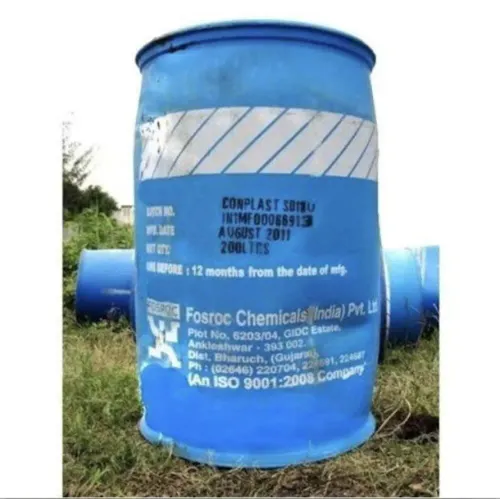
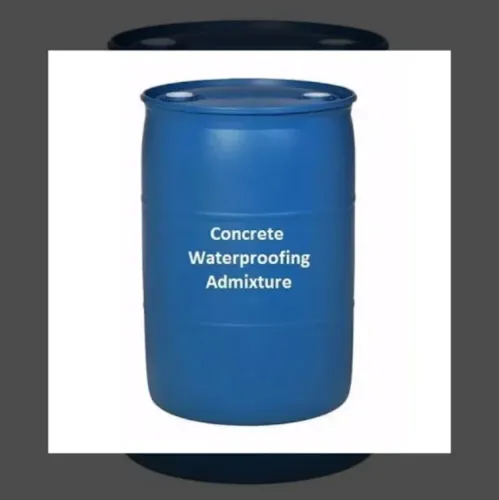
 | Waterproofing Chemical Concrete Waterproofing Admixture Supplier Usage/Application Construction Brand Fosroc Packaging Size 200L Grade Standard Chemical Grade Packaging Type Barrel Shelf Life 2 Year... View product → |
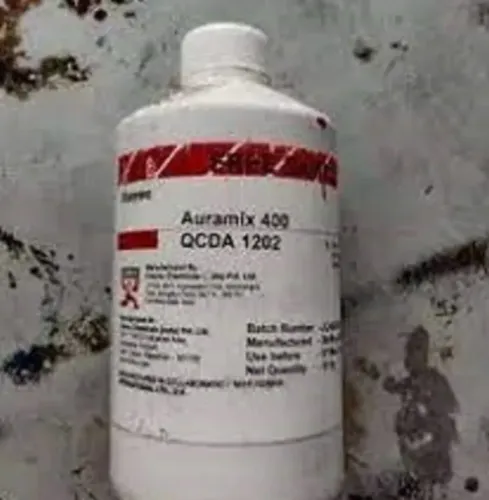
 | Waterproofing Chemical Fosroc Auramix 400 Superplasticizer Admixture, For Construction Suppliier Concrete Strength Grade M25 Brand Fosroc Color Dark Brown Grade Standard Industrial Grade Dosage 0.3% to 1.5% by weight of cement Packaging... View product → |
Frequently asked questions
How do you match a construction chemical system to project exposure?
Assess hydrostatic pressure, groundwater, chloride and sulphate exposure, freeze-thaw cycles, chemical attack, abrasion, traffic loading, and recurring cracks before selecting products.
What must be proven before an admixture or repair material reaches the site?
Check the technical data sheet, safety data sheet, batch number, shelf life, certificate of analysis, test results, storage requirements, and project-specific application instructions.
How does site control protect the material’s intended performance?
Control substrate preparation, material storage, water dosage, mixing time, application thickness, coverage, curing, temperature, and protection from early traffic or water.
Which tests show that waterproofing, flooring, tile, and repairs are ready?
Use inspections and tests suited to the system, such as substrate moisture checks, adhesion tests, flood tests, thickness checks, tile pull-off tests, and concrete repair inspections.
How can a supplier use project records to improve troubleshooting?
Compare batch numbers, mixing records, substrate conditions, weather, application rates, test results, photographs, and curing details to identify the failure’s likely cause.
Related products
 | Waterproofing Chemical Supplier Form of Chemical Liquid Packaging Size 1 LTR / 5 LTR/ 20 LTR Usage/Application For modifying and improving bonding of floor toppings,... View product → |
 | SBR Latex Supplier Brand Fosroc Packaging Size 20 Litre Usage/Application Construction Category Waterproofing Coating Physical Form Liquid Shelf Life 2 Year... View product → |
 | Concrete Admixture Fosroc Conplast SP430 G8 Concrete Admixture Supplier Packaging Type Drum Usage/Application Construction Brand Fosroc Packaging Size 250 Litre Shelf Life 12 Months Ph Value 8.5 Form Liquid... View product → |
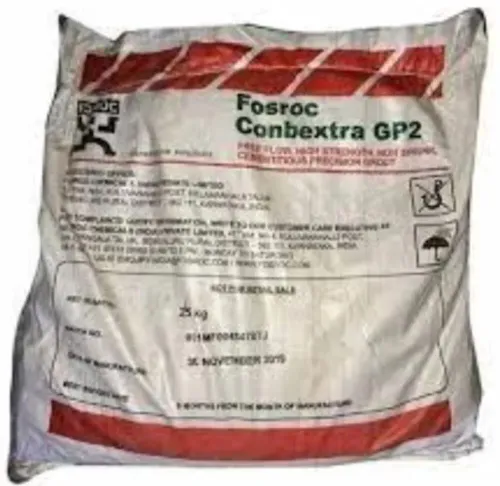
 | Waterproofing Chemical Supplier Form of Chemical Granules Usage/Application Construction Packaging Size 50 Kg Category Waterproofing Coating Color Grey Country of Origin... View product → |