Water resistance depends on more than adding a chemical to a concrete batch: the mix, dosage, curing, joints, cracks, and exposure must work together. By the end, you will know how to compare waterproofing systems, calculate the required quantity, organise a trial mix, and judge whether a supplier is providing technical control rather than simply dispatching containers.
Key takeaways
- Treat admixtures as one part of concrete design, not a substitute for crack control.
- Follow the manufacturer’s dosage and mixing sequence; never add powder directly to dry cement.
- Verify batch numbers, technical data, compatibility, and trial-mix results before approval.
- Confirm performance with absorption, permeability, crack, and site-quality checks—not product claims alone.
What integral water resistance changes inside concrete
Water enters hardened concrete through connected pores and defects. An integral waterproofing admixture is distributed through the concrete matrix, where it can reduce capillary absorption by making pores less continuous, less water-wettable, or partly filled by a reaction product. The result is integral water resistance rather than a surface film.
It improves resistance throughout the treated volume, provided the concrete is proportioned, mixed, placed, compacted, and cured correctly.
The treatment does not make defective concrete watertight. It does not replace:
- A waterstop at a movement or construction joint
- Joint sealant where the joint must accommodate movement
- Crack-injection repairs for cracks that pass water
- Drainage and pressure-relief detailing below ground
- Reinforcement and crack control designed for the exposure
“Integral waterproofing admixture” is not one standardised chemical class. One product may rely on pore blocking; another may refine the pore structure or react in the presence of moisture. Crystalline or reactive products need suitable curing and continued internal moisture, so early drying can limit development.
Check hydrostatic water-penetration results for the specified pressure; lower capillary absorption alone does not prove suitability for a basement or tank.
ASTM C494/C494M evaluates chemical admixture effects such as water reduction and set control, not every waterproofing exposure. ASTM C1202 indicates electrical charge passed, not direct liquid-water leakage, and its result changes with pore solution, saturation, curing, and admixture chemistry. Treat both as supporting evidence, not a standalone waterproofing certificate.
Choosing between admixtures, coatings, membranes, and concrete design
Choose by the water path and the exposure, not by the word “waterproofing” on the label. A buried tank with hydrostatic pressure, movement joints, and construction joints needs a system; an integral admixture alone cannot seal those discontinuities.
| Option | What it addresses | When it applies |
|---|---|---|
| Low-permeability concrete design | Reduces capillary pathways through low w/cm, adequate cementitious content, consolidation, and curing | Every watertight concrete element |
| Integral admixture | Reduces absorption or permeability throughout the concrete matrix | When the approved mix and exposure-specific tests support its use |
| Surface coating | Forms a film across an accessible concrete face | Refurbishment, splash exposure, or protection where the substrate can be prepared |
| Waterproofing membrane | Creates a continuous barrier independent of the concrete surface | Below-grade walls, roofs, and areas with high hydrostatic exposure |
| Waterstop | Blocks water at construction or movement joints | Every joint detailed as a potential leakage path |
A crystalline admixture is one integral mechanism; hydrophobic pore blocking and pore refinement are others. Treat them as different technologies, because dosage and performance cannot be inferred from the generic product description.
Use the admixture as one layer in the design, alongside reinforcement and crack-width control, joint detailing, waterstops, sealants, drainage, and—where exposure demands it—a membrane. Check the technical data sheet for dosage based on cement mass, total binder mass, or concrete volume, then qualify it in the actual mix.
ASTM C494/C494M can classify chemical admixture effects, but it does not by itself prove waterproofing performance for your exposure. Compare the treated and control mixes for absorption or pressure permeability, strength, setting time, and air content where relevant.
How to dose, batch, place, and cure the treated concrete
A dose stated as “one litre per truck” is not a production control. Base the dosage calculation on the approved batch’s cementitious-material content, or on the other basis named by the manufacturer, with its minimum and maximum limits.
1. Check the technical data sheet for dosage basis, storage temperature, shelf life, mixing time, dispersion method, and compatibility limits. Confirm whether the basis is cement mass, total binder mass, or concrete volume.
2. Freeze the approved mix design before production. Record cement, fly ash, slag, or other supplementary cementitious materials, the target water-cement ratio, admixture quantities, and total batch size.
3. Calculate the required product quantity for each batch. Include all cementitious materials when the product defines dosage against total binder, and do not exceed the stated maximum to compensate for excess water, poor compaction, or leaking joints.
4. Store and measure the product exactly as directed. Identify every container by product name, batch number, and expiry date, then verify the measured quantity before charging.
5. Add the admixture to the measured mixing water or mixer using the specified sequence. Mix for the stated time so the product disperses fully; do not guess from drum volume.
6. Place concrete without segregation, then compact every lift around reinforcement, corners, penetrations, and joints.
7. Start curing immediately after finishing and maintain the specified method and duration. Record batch quantities, slump, air content where relevant, temperature, and any setting change; compare strength results with the control mix.
What a supplier should verify before recommending a product
Approval starts with the exposure, not the product label. The supplier must define whether the concrete faces hydrostatic pressure, damp soil, chloride-bearing water, or intermittent wetting, then record joint details, crack-control provisions, target service life, curing regime, and the required permeability or absorption test.
| Project check | What to verify | Approval evidence |
|---|---|---|
| Exposure | Water pressure, absorption risk, joints, cracks, curing | Defined acceptance criteria |
| Mix design review | Cement, water-cementitious materials ratio, aggregates, supplementary cementitious materials, strength class | Approved trial mix |
| Compatibility | Polycarboxylate superplasticizer, set-control admixtures, air entrainment, fibres | Compatibility trial against control |
| Performance | Setting, slump retention, air, bleeding, segregation, strength, absorption or pressure test | Results at specified ages and conditions |
The trial must use the purchaser’s actual cement, supplementary cementitious materials, aggregates, water, and admixtures. A mortar result or a test using different materials cannot approve the production concrete.
Require these checks before full-scale use:
- Compare treated and control batches at the intended dosage, with dosage stated per kilogram of cementitious material or another defined batch basis.
- Check fresh properties immediately and after the planned transport time; delayed set, rapid slump loss, excess air, bleeding, or segregation disqualifies an unexamined mix.
- Test compressive strength, setting time where relevant, air content for air-entrained concrete, and water absorption or pressure resistance using the specified method.
- Review the technical data sheet, safety information, compliance claims, batch traceability, limits, and corrective guidance.
Dolfin Projects can support this decision by tying a recommended product and dosage to the documented mix rather than quoting a universal volume per truck.
Related products
 | Waterproofing Chemical Concrete Waterproofing Admixture Supplier Usage/Application Construction Brand Fosroc Packaging Size 200L Grade Standard Chemical Grade Packaging Type Barrel Shelf Life 2 Year... View product → |
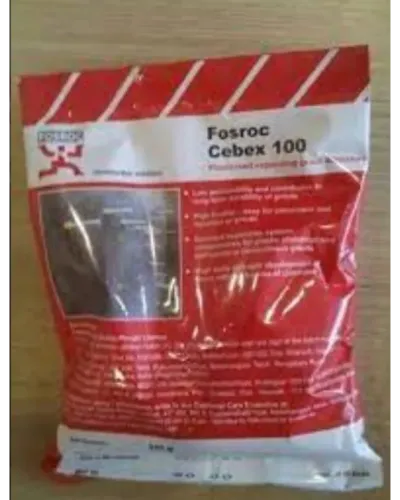
 | Fosroc Waterproofing Chemical Fosroc Conplast WL Integral Waterproofing Compound Supplier Brand Fosroc Packaging Size 10 Litre Category Waterproofing Coating Type Concrete Admixture Shelf Life 12 Months Packaging Type Bucket Form... View product → |
How to control batches and confirm the promised performance
Approve the admixture against the defined exposure, not the word “waterproofing.” The technical submittal must identify its active or functional technology, dosage basis, application limits, compatibility data, safety information, shelf life, and test conditions. A result for capillary absorption alone does not establish resistance to hydrostatic pressure below grade.
1. Obtain the current technical data sheet, certificate of conformity, and product-specific test reports. Check whether ASTM C494/C494M compliance describes admixture effects only; it does not, by itself, qualify the product for every waterproofing exposure. Review ASTM C1202 results alongside the specimen age, curing, mix proportions, voltage, and acceptance basis.
2. Run a documented trial against the approved control mix. Record slump, air content where relevant, setting time, temperature, compressive strength, and water penetration under the project’s design pressure. Compare identical curing periods and cementitious materials; retest when supplementary cementitious materials or set-control admixtures change.
3. Require batch traceability from delivery to placement. Record manufacturer, product name, batch number, expiry date, delivered quantity, measured dose, mixer ticket, operator, and concrete placement location. Keep retained samples where the quality plan requires them.
4. Control storage and dosing at the plant and site. Follow the stated temperature limits, protect liquid products from freezing and excessive heat, use the specified mixing sequence, and verify that the dosing equipment dispensed the intended quantity. Reject unidentified, expired, damaged, or poorly dispersed material.
A supplier’s acceptance recommendation should state the tested exposure, limits of performance, and remedy for an out-of-range batch. “Waterproofs concrete” is not evidence.
Frequently asked questions
What changes inside concrete when an integral waterproofing admixture is used?
The admixture acts through the concrete matrix by reducing capillary absorption, lowering pore connectivity or water-wettability, or forming reaction products that partly fill pores. It does not create a surface membrane.
Should you choose an admixture instead of a coating or membrane?
Choose based on the water pressure, crack risk, access, exposure, and repair strategy. Integral admixtures protect the matrix, while coatings and membranes provide surface barriers; concrete mix design and crack control remain essential with every option.
How should you dose and batch an integral waterproofing admixture?
Use the manufacturer’s stated dosage for the cementitious content, add it in the specified sequence, mix for the required time, and confirm workability through a trial batch. Do not change the water-cement ratio to compensate for poor batching.
What should a supplier verify before recommending an admixture?
The supplier should review the concrete grade, cement and supplementary cementitious materials, exposure and water pressure, placement method, curing plan, crack-control details, dosage limits, compatibility, technical data, and trial-mix results.
How can you confirm the promised waterproofing performance?
Control the batch number, dosage, water addition, slump, temperature, mixing time, placement, vibration, joints, and curing. Use agreed tests such as water absorption or permeability testing, alongside inspection of cracking and workmanship.
Related products
 | Waterproofing Chemical Integral Waterproofing Compound Supplier Brand Chryso Usage/Application Waterproofing Packaging Size 20L Color Gray Physical State Liquid Country of Origin Made in India Minimum... View product → |
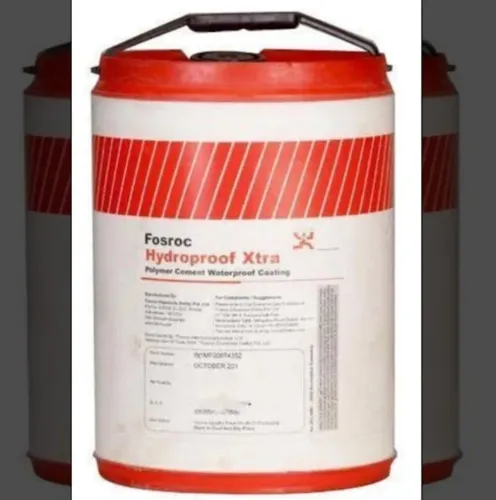
 | Concrete Admixture Fosroc Hydroproof Xtra Chemical Supplier Form of Chemical Liquid Brand Fosroc Usage/Application Construction Packaging Size 20kg Category Waterproofing Coating Color White Crystal... View product → |
 | Waterproofing Chemical CHRYSO CWA 10 Crystalline waterproofing admixture Supplier Manufactured By Chryso Appearance / Colour Grey Packaging Size 20 kg Country of Origin Made in India Shelf Lifejavascript:void(0); 12 month... View product → |