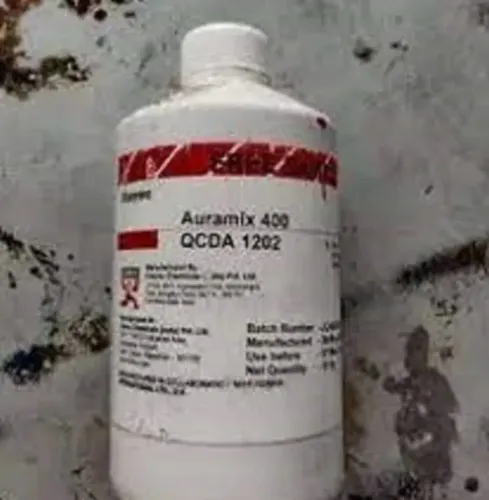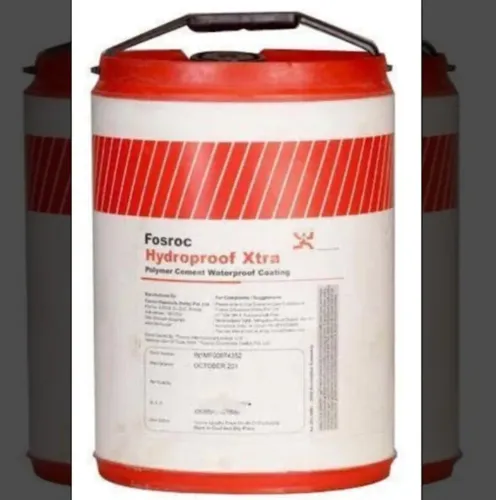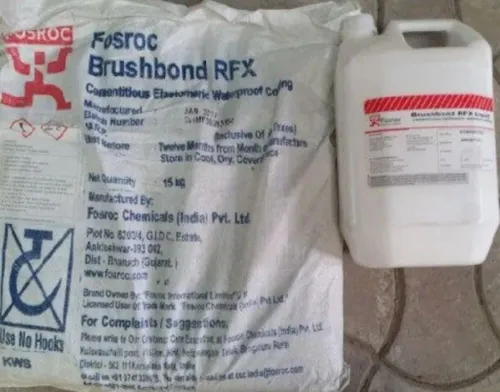
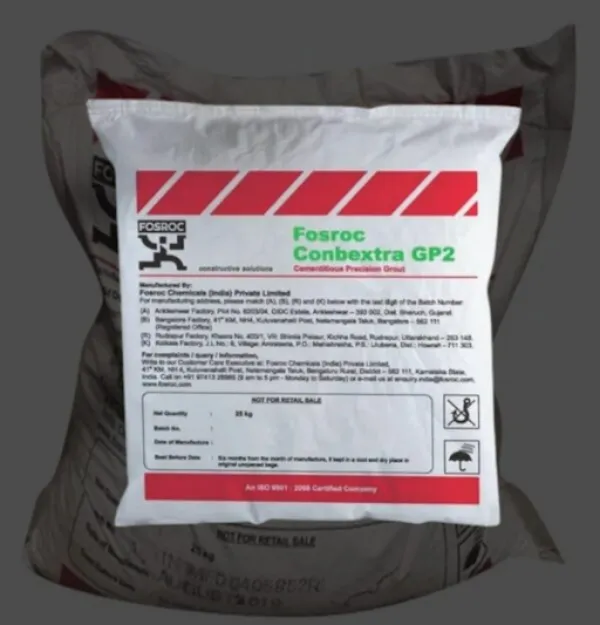
Industrial machinery, production equipment, and structural installations rely on more than accurate positioning to perform efficiently. The material used beneath machine base plates and equipment foundations plays a critical role in ensuring stability, load transfer, and long-term durability. This is where selecting the right Epoxy Grout becomes an important decision.
For contractors, structural engineers, and industrial facility managers handling projects across Gujarat, understanding when epoxy grout is the better choice can help prevent costly repairs and operational downtime.
Why Epoxy Grout Is Different
Unlike conventional cement-based grouts, epoxy grout is formulated using epoxy resin, hardener, and specially graded aggregates. This combination creates a high-strength material with excellent adhesion and outstanding resistance to chemicals, vibration, and impact.
Its performance makes it suitable for demanding industrial environments where ordinary grouts may not deliver the required durability.
Where Epoxy Grout Is Commonly Used
Epoxy grout is widely specified in applications such as:
- Heavy machinery foundations
- Turbines and compressors
- Manufacturing plants
- Power generation facilities
- Steel structures
- Chemical processing units
- Marine structures
- Equipment anchor bolts
These applications require grout capable of maintaining dimensional stability under continuous mechanical stress.
How to Decide if Epoxy Grout Is the Right Choice
Not every project requires epoxy grout. Before selecting a product, consider the following factors.
Load Requirements
Heavy machinery creates dynamic loads that demand exceptional compressive and tensile strength.
Chemical Exposure
Facilities handling acids, oils, solvents, or industrial chemicals benefit from epoxy grout's superior chemical resistance.
Vibration Levels
Machines operating continuously generate vibrations that can weaken conventional grouts over time. Epoxy formulations are designed to withstand such conditions.
Service Environment
Industrial settings exposed to moisture, temperature variations, and frequent cleaning often require high-performance grouting materials.
Common Evaluation Mistakes
When comparing grouting materials, decision-makers sometimes focus only on the initial product cost. However, long-term performance is equally important.
Other mistakes include:
- Ignoring equipment manufacturer's recommendations
- Selecting grout without considering chemical exposure
- Overlooking curing requirements
- Using epoxy grout where cement grout would be sufficient
- Failing to prepare the substrate correctly
Evaluating the complete operating environment helps achieve better long-term value.
What to Look for in a Quality Product
A dependable epoxy grout should provide:
- High compressive strength
- Excellent bond with concrete and steel
- Minimal shrinkage
- High chemical resistance
- Good flow characteristics
- Long service life under industrial conditions
These characteristics contribute to reliable equipment performance and reduced maintenance costs.
Construction professionals across Gujarat often choose suppliers that combine quality products with technical support. Dolfin Projects supplies construction chemical solutions for industrial and infrastructure applications, helping project teams select grouting systems suited to specific engineering requirements.
Choosing the appropriate Epoxy Grout involves balancing structural demands, environmental conditions, and operational expectations. A well-informed decision supports safer installations, improved equipment reliability, and long-lasting structural performance.
Keywords