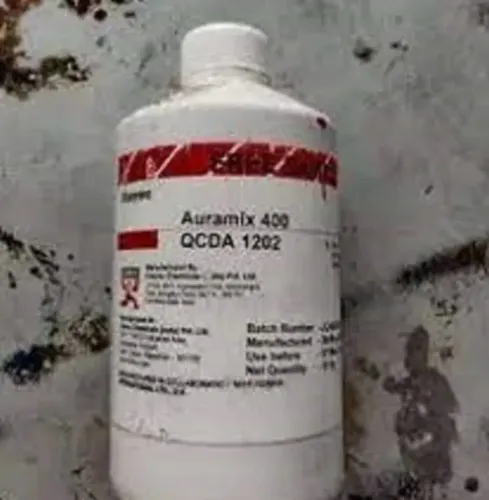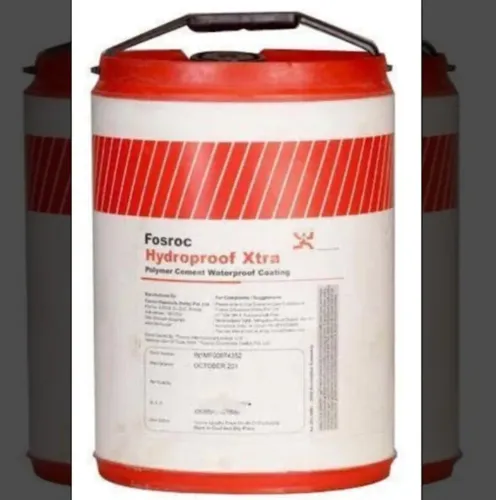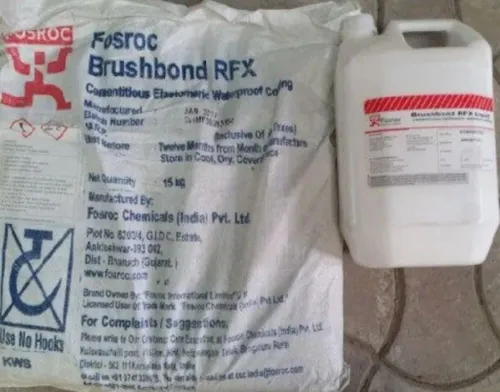
Concrete repair, plastering, screeding, and renovation projects often depend on one critical factor that is easy to overlook—a strong bond between old and new surfaces. Without proper adhesion, repaired areas may crack, separate, or deteriorate much sooner than expected. An Acrylic Based Waterproof Bonding Agent helps improve adhesion while adding water-resistant properties, making it an important material for a wide range of construction applications.
For contractors, architects, and project consultants managing projects across Gujarat, understanding when and how to use a bonding agent can improve both construction quality and long-term durability.
Why Bonding Between Surfaces Matters
Concrete and mortar naturally struggle to adhere to cured concrete surfaces. Dust, laitance, moisture, and smooth finishes can reduce the strength of the connection between new and existing materials.
A bonding agent creates an intermediate layer that improves adhesion while supporting the structural integrity of repairs and overlays.
This is especially valuable in renovation projects where old concrete must integrate effectively with new construction materials.
Common Applications
An acrylic based waterproof bonding agent is widely used in:
- Concrete repair work
- Plastering applications
- Floor screeds
- Waterproof mortar
- Tile bedding
- Patch repairs
- Repairing damaged concrete members
- Residential and commercial renovation projects
These applications benefit from improved bonding strength and better resistance to water penetration.
Advantages of Using an Acrylic Based Waterproof Bonding Agent
A quality product offers several practical benefits.
Improved Adhesion
It creates a stronger connection between existing concrete and fresh cementitious materials.
Better Water Resistance
The waterproofing properties help reduce moisture penetration, supporting the longevity of repaired surfaces.
Reduced Surface Cracking
Improved bonding lowers the likelihood of debonding and shrinkage-related cracks.
Enhanced Durability
Structures exposed to varying weather conditions can benefit from better resistance to environmental deterioration.
Best Practices During Application
To achieve reliable performance, proper preparation is essential.
Recommended steps include:
- Remove dust, loose particles, and contaminants.
- Repair damaged sections before application where necessary.
- Apply the bonding agent uniformly over the prepared surface.
- Follow the recommended waiting time before placing mortar or concrete.
- Use compatible construction materials for the repair system.
Attention to these details contributes to stronger and more durable repairs.
Common Mistakes to Avoid
Some application issues can reduce the effectiveness of bonding agents, including:
- Applying on dirty or dusty surfaces
- Ignoring manufacturer mixing guidelines
- Allowing the bonding layer to dry excessively before application
- Using incompatible repair mortars
- Skipping surface preparation
Avoiding these errors helps maximize the benefits of the product.
Construction professionals in Gujarat often look for suppliers that offer both reliable construction chemicals and technical guidance. Dolfin Projects provides solutions for repair, waterproofing, and concrete enhancement applications, helping project teams choose products suited to different construction environments.
An Acrylic Based Waterproof Bonding Agent supports stronger repairs, improved adhesion, and enhanced durability. Selecting the right product and following recommended application practices can significantly improve the long-term performance of repair and renovation projects.
Keywords