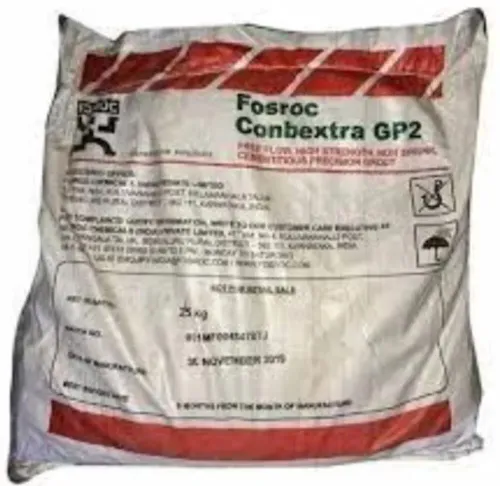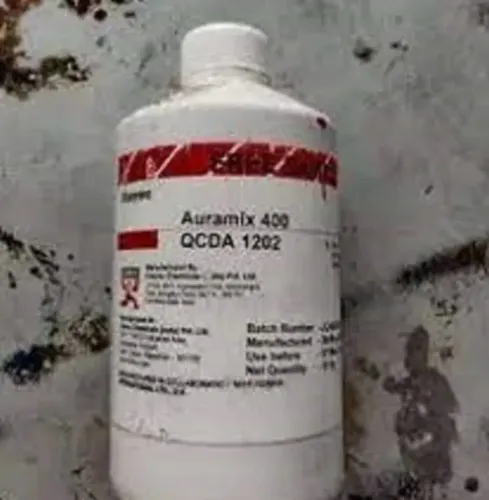
Concrete performance depends on far more than cement strength alone. Water content, aggregate grading, admixture selection, mixing, transportation, placement, compaction, and curing all influence the final result.
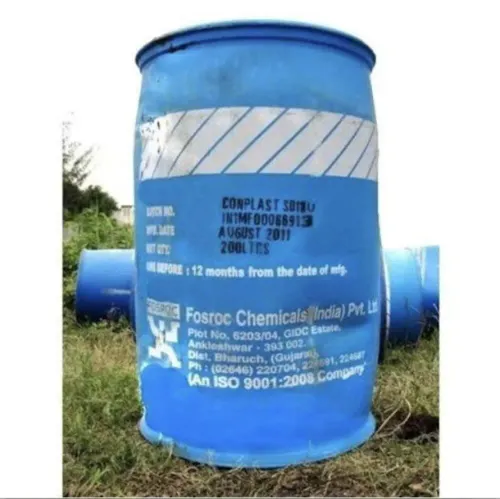
For projects requiring workable concrete without unnecessarily increasing the water content, a Superplasticizer Admixture Supplier can provide products intended to modify concrete workability according to specific mix and placement requirements.
This is particularly relevant to construction companies, ready-mix operations, infrastructure contractors, and industrial projects across Gujarat where concrete may need to be pumped, placed around dense reinforcement, or maintained at workable consistency during construction.
What Does a Superplasticizer Do
A superplasticizer is a chemical admixture used in concrete to achieve a significant water-reducing or workability-modifying effect, depending on the product formulation and mix design.
In practical terms, it can help produce concrete with improved flow while controlling the amount of mixing water.
This can be useful because simply adding extra water at site to make concrete easier to place may negatively affect the intended water-cement ratio and resulting concrete properties.
Where Superplasticizers Are Commonly Considered
Superplasticizers can be relevant to many concrete applications, including:
- Reinforced structural concrete
- Pumped concrete
- High-rise construction
- Infrastructure works
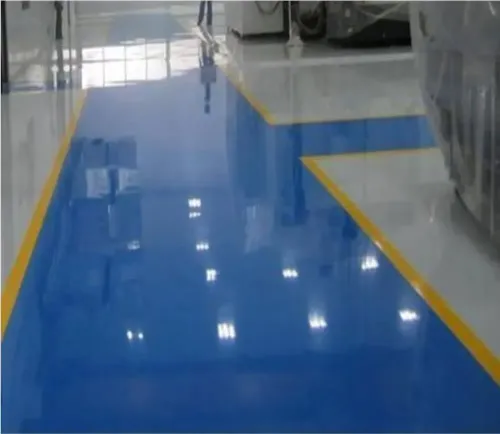
- Industrial flooring
- Precast components
- Congested reinforcement zones
- Concrete requiring extended workability
The exact product should still be selected according to the approved concrete mix and project specifications.
Workability Is Only One Consideration
Contractors sometimes focus only on slump. However, concrete admixture selection should consider the complete performance requirement.
Questions may include:
How long must the concrete remain workable?
Will it be transported over a significant distance?
Is concrete being pumped?
What cementitious materials are being used?
What are the ambient conditions?
What strength and durability requirements apply?
A product that works well in one mix may behave differently when cement type, supplementary cementitious materials, aggregate characteristics, temperature, or dosage changes.
Trial Mixes Reduce Uncertainty
For significant projects, trial mixes can help establish whether the selected admixture is suitable.
During trials, teams can observe characteristics such as workability retention, cohesiveness, finishing behaviour, setting characteristics, and strength development.
The admixture dosage should follow technical recommendations and validated mix-design requirements rather than being adjusted casually at site.
Hot Conditions Require Planning
Concrete construction in Gujarat can take place under high ambient temperatures. Heat can influence workability loss, concrete temperature, setting behaviour, and site handling.
The solution is not automatically to increase admixture dosage. Concrete technologists and project teams should consider the complete mix, transportation time, placement conditions, manufacturer guidance, and project specifications.
Dolfin Projects serves construction chemical requirements in Gujarat, including products used in concrete production and placement applications.
A superplasticizer should ultimately be treated as part of an engineered concrete mix rather than a shortcut for making stiff concrete easier to handle. When the admixture, mix design, batching process, and site practices work together, contractors gain better control over concrete placement and consistency.
Keywords