Industrial floors experience conditions that ordinary decorative flooring may not be designed to handle. Repeated movement of people and equipment, cleaning, abrasion, spills, dust, and operational loads can gradually affect an untreated floor.
This is why Epoxy Floor Coating Services are commonly considered for industrial, commercial, warehouse, workshop, and utility environments where a more controlled floor finish is required.
For businesses in Gujarat, understanding where epoxy flooring is suitable helps avoid choosing a coating based purely on appearance.
What Is an Epoxy Floor Coating
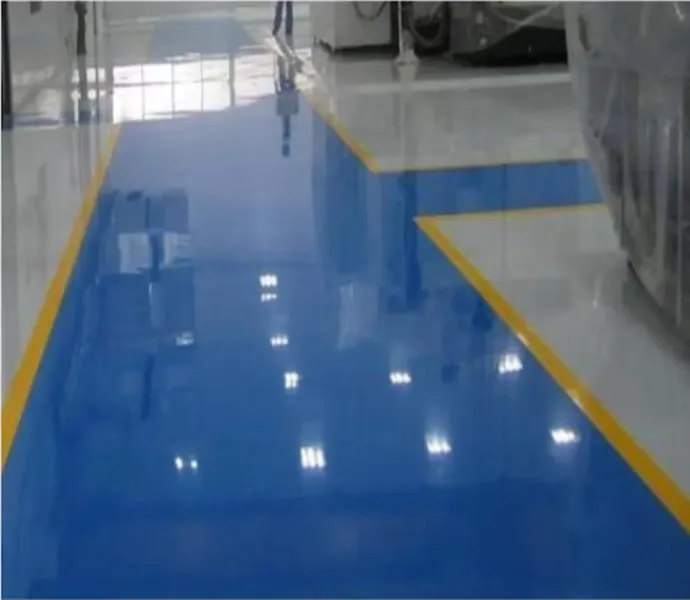
Epoxy flooring generally uses resin-based materials applied to a properly prepared substrate to create a bonded floor finish.
Different systems are available according to expected use, thickness, substrate condition, traffic, chemical exposure, slip requirements, and aesthetic expectations.
The finished floor may provide a seamless-looking surface that is easier to maintain than untreated porous concrete in suitable environments.
Applications Depend on Operating Conditions
Epoxy coatings may be considered in:
- Manufacturing areas
- Warehouses
- Workshops
- Utility rooms
- Commercial facilities
- Pharmaceutical environments
- Parking-related areas
- Service facilities
- Selected food-processing zones
However, simply identifying a room as 'industrial' is not enough.
A warehouse handling light cartons has different flooring requirements from a production area exposed to oils, chemicals, heavy equipment, or frequent washdowns.
Substrate Condition Is Critical
One of the most important parts of an epoxy flooring project occurs before the coating is applied.
The concrete substrate should be assessed for strength, contamination, cracks, laitance, moisture, existing coatings, and surface defects.
Mechanical surface preparation may be required to create an appropriate profile and remove weak material.
Applying epoxy over an inadequately prepared floor can contribute to poor adhesion and premature coating problems.
Choose the System Around Actual Use
Before selecting a floor coating, facility managers should consider:
- Type of traffic
- Frequency of movement
- Expected abrasion
- Chemical exposure
- Cleaning method
- Wet conditions
- Required finish
- Downtime available for installation
These factors help determine whether an epoxy system is appropriate and what specification may be required.
Installation Conditions Matter
Temperature, substrate moisture, mixing ratios, pot life, application thickness, curing time, and interval between coats can influence the final result.
This is why epoxy flooring should be approached as a complete installation process rather than simply painting a concrete floor.
Industrial projects in Gujarat may also face high temperatures and demanding operational schedules, making application planning particularly important.
Plan Maintenance from the Beginning
Even durable flooring systems need appropriate maintenance.
Routine cleaning can prevent abrasive debris from accumulating. Damaged areas should be investigated rather than ignored, particularly where impact or substrate movement has occurred.
Dolfin Projects works with construction chemical requirements that include flooring and concrete protection applications. For project teams evaluating epoxy flooring, the objective should be to match the coating system to the substrate and operating environment.
The best flooring decision is therefore based on what happens on the floor every day. Traffic, exposure, preparation, installation, and maintenance should all be considered before the final coating specification is selected.
Keywords