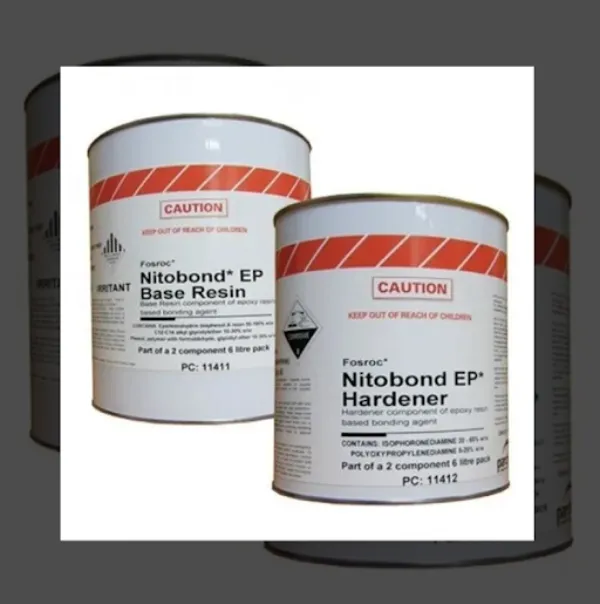
Repairing concrete structures requires more than replacing damaged material. Long-term performance depends on creating a secure bond between existing concrete and newly applied repair materials. An Epoxy Bonding Agent is commonly used where high-strength adhesion is required, particularly in structural repairs and demanding industrial environments.
Whether the project involves bridges, industrial facilities, commercial buildings, or infrastructure developments in Gujarat, understanding the purpose of epoxy bonding agents helps engineers and contractors choose the right repair solution.
What Makes an Epoxy Bonding Agent Different
Unlike conventional bonding materials, epoxy bonding agents are formulated to provide exceptional adhesion between hardened concrete and fresh concrete or repair mortars.
They are designed for situations where structural strength and durability are critical rather than cosmetic repairs alone.
The cured epoxy layer forms a strong mechanical and chemical bond that supports the integrity of repaired concrete members.
Typical Applications
Epoxy bonding agents are commonly used in:
- Structural concrete repairs
- Beam and column rehabilitation
- Bridge repair work
- Industrial flooring repairs
- Precast concrete installations
- Concrete extensions
- Machine foundation repairs
- Infrastructure maintenance projects
These applications often demand superior bonding performance under heavy service conditions.
Factors to Consider Before Product Selection
Selecting a bonding agent should always be based on project requirements rather than product familiarity.
Nature of the Repair
Minor surface repairs may require different materials than structural rehabilitation work.
Environmental Exposure
Moisture, chemicals, temperature fluctuations, and industrial conditions should all influence product selection.
Load Conditions
Repairs subjected to heavy mechanical loads require high-performance bonding systems capable of maintaining structural stability.
Compatibility
The bonding agent should be compatible with the repair mortar, concrete mix, and overall repair methodology.
Signs That a Bonding Agent Is Needed
Several situations indicate that a bonding agent may improve repair quality:
- Concrete repairs on existing structures
- Overlaying old concrete with new concrete
- Structural crack restoration
- Surface repairs exposed to heavy loading
- Rehabilitation of deteriorated industrial floors
Using the correct bonding system helps minimise the risk of future delamination.
Mistakes That Can Reduce Performance
Even premium epoxy products can underperform if installation practices are overlooked.
Common issues include:
- Inadequate surface preparation
- Incorrect mixing proportions
- Delayed application after mixing
- Applying to contaminated surfaces
- Ignoring recommended curing conditions
Following proper installation procedures is essential for achieving reliable structural performance.
Many builders and engineers across Gujarat prefer suppliers capable of supporting projects with technically suitable construction chemical solutions. Dolfin Projects provides products for structural repair, concrete protection, and industrial construction applications, enabling project teams to select bonding systems that match engineering requirements.
A carefully selected Epoxy Bonding Agent strengthens repair quality, improves adhesion, and supports the long-term performance of concrete structures. Evaluating project conditions before material selection helps ensure repairs remain durable for years to come.
Keywords