A durable concrete repair depends on more than adding latex to cement: the substrate, bonding coat, mortar proportions, placement timing and curing method must work as one system. By the end, you will know how to prepare the repair, what information to request for the mix, when SBR latex fits the exposure, and how a supplier can help you avoid an incompatible or poorly controlled application.
Key takeaways
- Remove weak concrete and achieve a clean, saturated-surface-dry substrate.
- Place repair mortar while the bonding slurry remains tacky.
- Confirm mix proportions, repair thickness and curing requirements before dispatch.
- Give the supplier repair location, exposure conditions and required quantities.
Prepare the concrete before mixing any SBR system
Before mixing a Nitobond SBR system, the concrete must be sound, clean, and saturated-surface-dry. Remove every weak layer that could break the bond; do not use polymer latex to disguise poor surface preparation.
1. Cut back delaminated, hollow-sounding, or spalled concrete to firm material. For spalled concrete repair, continue removal around exposed reinforcement until the steel and surrounding concrete are free from loose rust and contamination.
2. Remove laitance, cement paste, dust, oil, grease, curing compounds, paint, and loose particles by scabbling, mechanical abrasion, water-jetting, or another suitable method. A dusty film can separate the bonding slurry from the concrete.
3. Clean cracks and construction joints, and chase unstable crack edges before filling. Stop running water or active leakage with a suitable plugging or water-control method; do not apply the bonding coat over flowing water.
4. Pre-wet the surface until the concrete is damp internally but has no visible sheen, puddles, or free water. A dry substrate steals water from the cement-polymer mix, while standing water dilutes it and weakens adhesion.
5. Clean exposed reinforcement to remove rust scale and apply the specified compatible corrosion-protection or passivation treatment before placing repair mortar. SBR does not replace structural assessment, reinforcement treatment, or an approved concrete repair design.
Apply the slurry only after these conditions are achieved, and use Nitobond SBR as part of the cementitious bonding system rather than as an undiluted resin film.
Apply the bonding slurry while it is still tacky
Keep the Nitobond SBR bonding slurry wet and tacky until the repair mortar is pressed into it. A dry cement bonding coat can form a weak interface, while excess water on the substrate dilutes the coat and reduces adhesion.
1. Bring the prepared concrete to saturated-surface-dry concrete: damp within the pores, with no sheen, puddles or running water. Remove standing water before mixing or applying the slurry.
2. Mix Nitobond SBR with cement, and add clean water only in the quantity stated for the selected system. Do not apply the latex neat or assume that one SBR-to-water dilution suits bonding, repair mortar, screed and waterproofing work. If specified, add fine, clean sand to form the Nitobond SBR bonding slurry.
3. Apply the slurry as a continuous cement bonding coat by brush application. Work it firmly into pores, edges and exposed aggregate rather than leaving isolated glossy patches.
4. Mix the repair mortar separately, using the specified cement, sand, aggregate, latex and water proportions. Do not pour extra water onto a stiff mix; that changes the water-to-cement ratio and weakens the repair.
5. Place and compact the fresh mortar while the slurry remains tacky. If the coat has dried, do not cover it: remove weak material, reapply a fresh coat and continue only while it remains sticky.
6. Protect the repair from direct sun, wind and rapid drying immediately after finishing. Rapid moisture loss can cause plastic-shrinkage cracks.
Control the repair mortar proportions, thickness and placement
An extra splash of water can turn a workable repair into a weak one. Set the mix from the current product data sheet, not by eye: SBR latex dosage, water-to-cement ratio, cement content and aggregate grading determine shrinkage, strength and bond.
Increasing the liquid-to-powder ratio to ease placement can cause bleeding, porosity, shrinkage and lower mechanical performance.
| Component | Control | Effect on the repair |
|---|---|---|
| Cement | Use the specified cement content | Too little reduces cohesion; excess paste increases shrinkage |
| SBR latex | Measure the stated SBR latex dosage | Too little limits adhesion and flexibility; excess can alter setting and workability |
| Water | Keep the stated water-to-cement ratio | Extra water weakens the hardened mortar and promotes bleeding |
| Sand | Use clean, well-graded sand | Poor grading leaves voids or demands extra paste |
| Aggregate | Match size and grading to the section | Oversized particles obstruct thin repairs; insufficient aggregate increases shrinkage |
A polymer-modified repair mortar made with fine aggregate suits thin surface repairs or feather edges only when the specified system permits it. For deeper work, use a properly graded repair mortar and respect the maximum repair mortar thickness; place thicker sections in stages to limit shrinkage and heat development.
- Press each layer firmly against the tacky bonding slurry and compact it around exposed reinforcement.
- Do not extend the mix with unapproved sand, cement or water.
- Finish only after the mortar has been placed and compacted; avoid overworking the surface, which can draw paste upward and weaken the face.
Match SBR repair work to curing needs and site exposure
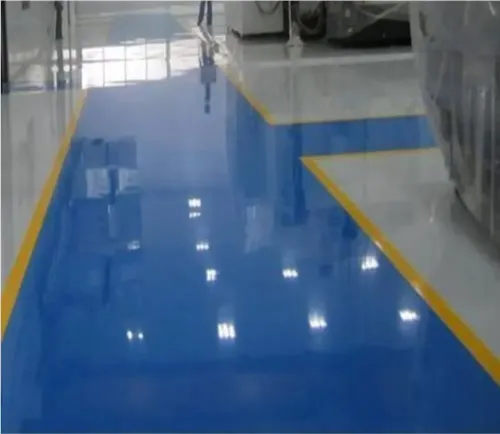
Use an SBR-modified cement system for sound, prepared concrete where adhesion, reduced water penetration, flexural performance and abrasion resistance matter. It suits patch repairs, edge rebuilding, worn concrete floors, and rendering and screed when the repair remains compatible with a cementitious substrate and the specified thickness.
Curing concrete repair is critical in hot, dry or windy exposure. Protect the fresh mortar from direct sun, wind and rapid moisture loss with the specified curing method; otherwise plastic-shrinkage cracks can appear despite improved latex bonding.
Deep sections need properly graded aggregate, controlled layer thickness and staged placement rather than a fine repair mortar applied in one thick lift.
Choose a different solution, or obtain a designed repair specification, when the defect involves:
- Structural movement, major load transfer or a crack that reopens; SBR mortar does not replace structural design, reinforcement or movement-joint detailing.
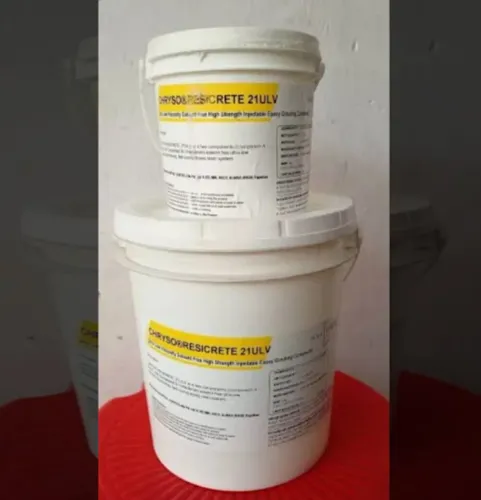
- Structural crack injection; use an injection resin or other engineered system selected for crack width, movement and moisture conditions.
- Delaminated or chloride-contaminated concrete; remove concrete to sound material, clean exposed steel and use the specified corrosion-protection or passivation system before reinstatement.
- Running water, active leakage or a substrate that cannot remain stable during placement; use a water-stopping or specialised waterproofing repair system.
- Large-depth, high-heat or heavily trafficked repairs where the approved aggregate grading, strength and curing regime exceed a thin polymer-modified mortar’s limits.
What a specialist supplier should confirm before dispatch
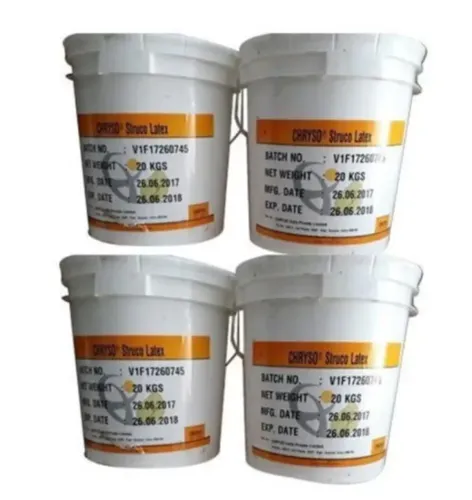
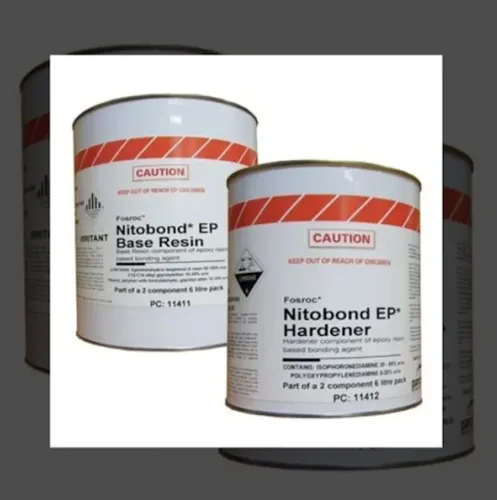
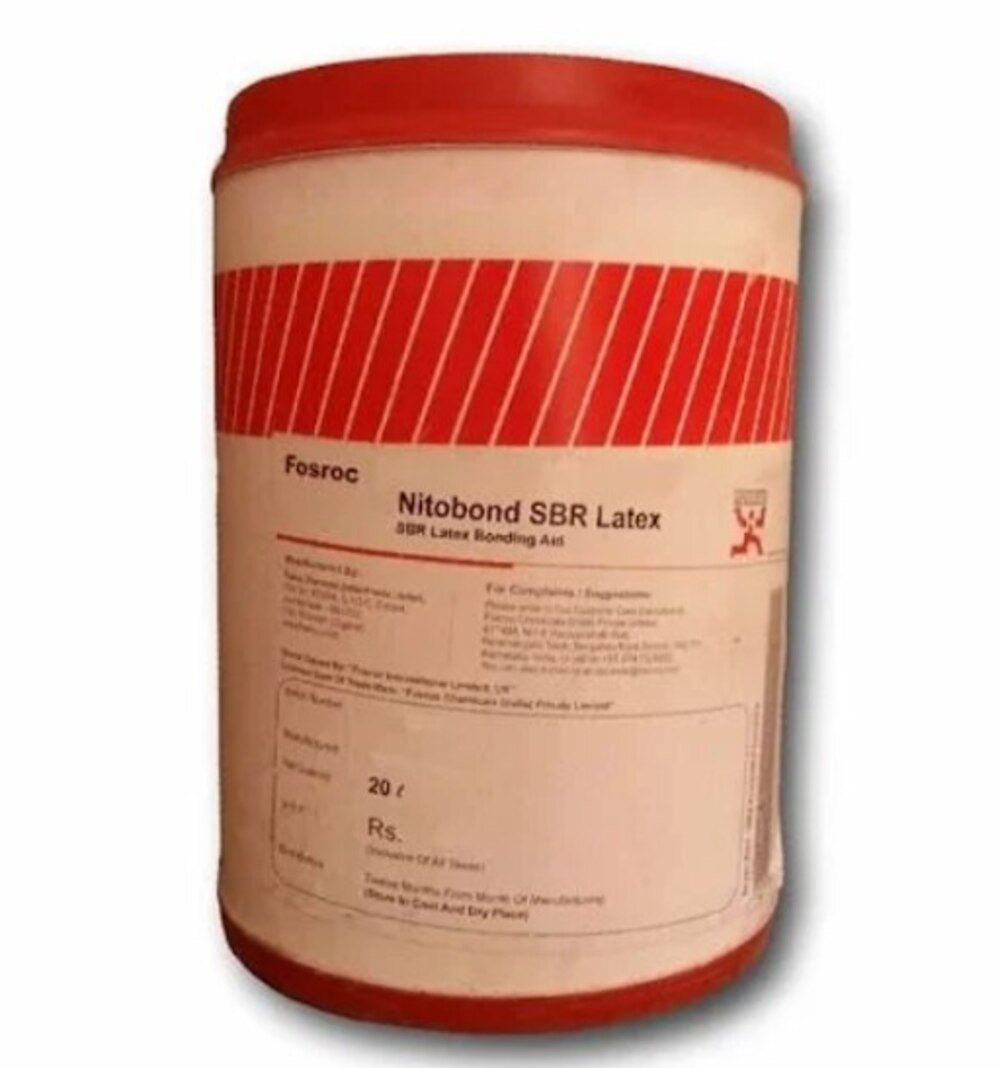
Approve the repair system only after the Fosroc Nitobond SBR latex supplier matches the product to the actual repair, rather than quoting a generic SBR-to-water dilution. Ask for the current technical data sheet, safety data sheet, application instructions and a written system recommendation.
1. Confirm whether the proposed use is a bonding slurry, polymer-modified repair mortar, waterproofing coat, screed additive or tile-installation application. The supplier should state the required substrate condition, repair thickness, exposure, curing method and expected coverage.
2. Obtain the complete mix proportions for latex, cement, water, sand and aggregate from the current technical data sheet. Do not approve a site adjustment that adds liquid for easier placement; excess liquid increases shrinkage, bleeding and porosity.
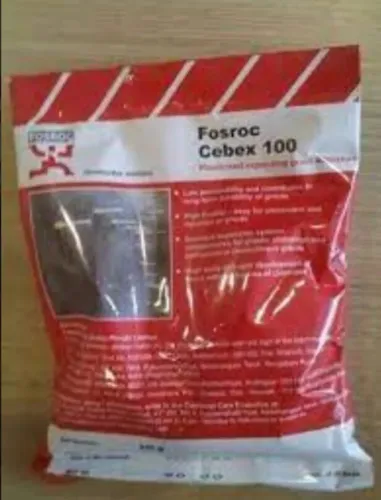
3. Request product compatibility guidance before combining Nitobond SBR with other admixtures, waterproofing compounds, accelerators, fibres or proprietary repair powders. Confirm whether exposed reinforcement requires a separate corrosion-protection or passivation system.
4. Check the delivery details: batch identification, shelf-life date, sealed packaging and protection from freezing, excessive heat and direct sunlight. Reject frozen or visibly coagulated latex unless Fosroc provides technical approval; vigorous stirring cannot reliably restore damaged polymer dispersion.
Dolfin Projects can make this review more useful by confirming whether the proposed material is being selected for a structural repair, a surface bond or a waterproofing application, and by flagging when SBR cannot replace structural design or corrosion treatment.
Related products
 | SBR Latex Supplier Brand Fosroc Packaging Size 20 Litre Usage/Application Construction Category Waterproofing Coating Physical Form Liquid Shelf Life 2 Year... View product → |
 | Bonding Agent Supplier Packaging Size 20 liter Pack Type Bucket Grade Standard Industrial Chemical Resistance Acids Shelf Life 2 Year Country of Origin Made in... View product → |
Frequently asked questions
How should concrete be prepared before using a Nitobond SBR system?
Remove weak or loose concrete, dust, laitance, oil and other bond-breaking contaminants. Prepare the surface to sound concrete, then bring it to a saturated-surface-dry condition before mixing the system.
When should the repair mortar be applied?
Apply the repair mortar while the SBR bonding slurry is still tacky. Do not allow the slurry to dry fully before placing the mortar.
What should you control when placing SBR repair mortar?
Follow the specified liquid-to-cement and aggregate proportions, keep the repair within its intended thickness, and compact and finish it without adding uncontrolled water.
What curing conditions matter for SBR concrete repairs?
Protect the repair from rapid moisture loss, direct sun, wind and premature loading. Match the curing method and duration to the repair material, thickness and site exposure.
What should a supplier confirm before dispatching a Fosroc Nitobond SBR system?
Confirm the product variant, pack size, batch details, required quantity, application area, repair thickness, substrate condition and exposure conditions before dispatch.