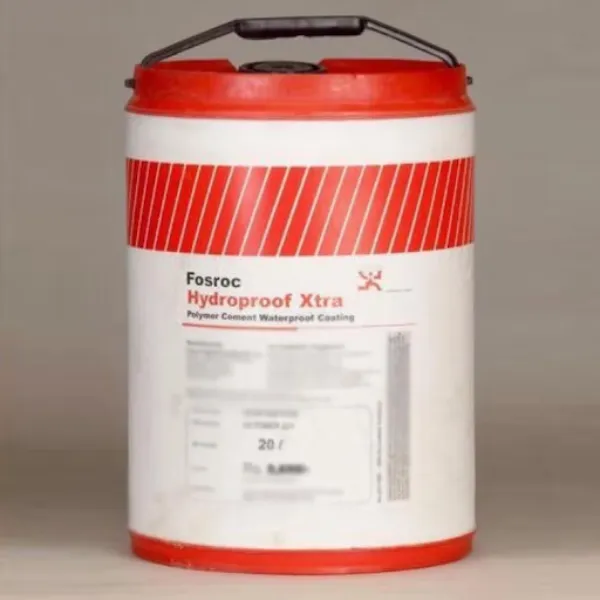
Water damage remains one of the most common causes of structural deterioration in buildings. Moisture infiltration can weaken concrete, corrode reinforcement, damage finishes, and increase maintenance costs over time. Selecting a suitable Waterproofing Chemical is an important step in protecting structures from these long-term challenges.
Whether the project involves residential construction, commercial developments, industrial facilities, or infrastructure works in Gujarat, understanding waterproofing solutions helps improve building performance and longevity.
Why Waterproofing Should Be Planned Early
Waterproofing is often considered only after signs of leakage appear. However, integrating waterproofing during construction is far more effective than carrying out repairs after damage has occurred.
A well-planned waterproofing system helps:
- Minimise water seepage
- Protect reinforced concrete
- Improve structural durability
- Reduce maintenance expenses
- Extend building service life
- Improve occupant comfort
Early planning also allows contractors to choose products suited to different structural elements.
Areas That Commonly Require Waterproofing
Different parts of a building are exposed to varying levels of moisture.
Common applications include:
- Roof terraces
- Basements
- Bathrooms
- Water tanks
- Foundations
- Balconies
- External walls
- Podium decks
Each area presents unique waterproofing challenges that require appropriate chemical solutions.
Types of Waterproofing Chemicals
The construction industry uses several categories of waterproofing products depending on project needs.
These include:
- Cementitious waterproofing materials
- Acrylic coatings
- Elastomeric coatings
- Crystalline waterproofing systems
- Polyurethane waterproofing products
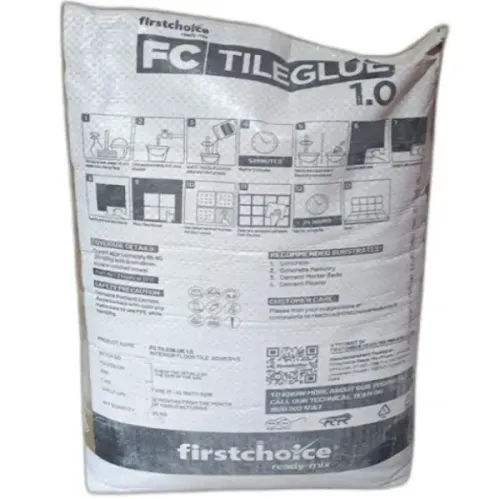
- Bonding agents with waterproofing properties
Selecting the right category depends on exposure conditions, substrate type, and expected performance.
Factors to Consider Before Selection
A waterproofing product should be chosen after evaluating:
Surface Condition
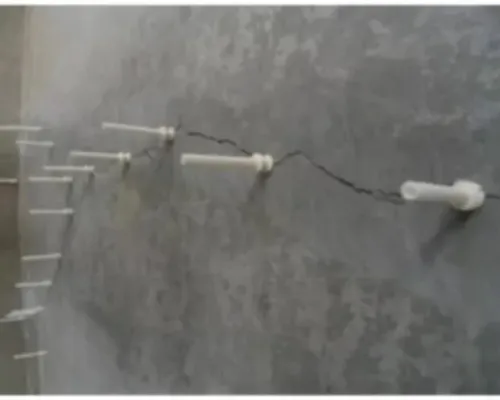
Existing cracks and damaged concrete should be repaired before waterproofing begins.
Exposure to Water
Areas subjected to continuous water contact require different solutions than surfaces exposed only to seasonal rainfall.
Project Requirements
Residential buildings, industrial plants, and infrastructure projects often have different waterproofing specifications.
Compatibility
The waterproofing system should integrate effectively with other construction materials used on the project.
Best Practices for Long-Term Results
Successful waterproofing depends on proper planning and execution.
Follow these recommendations:
- Inspect the substrate thoroughly.
- Prepare the surface carefully.
- Repair defects before application.
- Apply the recommended coating thickness.
- Conduct quality checks before project completion.
Consistent application practices improve waterproofing performance and reduce future maintenance.
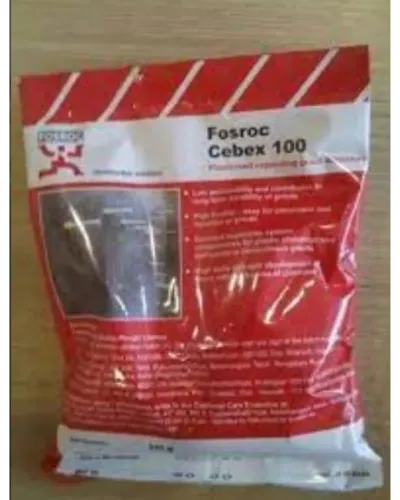
Construction professionals across Gujarat frequently partner with suppliers capable of providing technically appropriate construction chemical solutions for varied project requirements. Dolfin Projects supports residential, commercial, industrial, and infrastructure projects with products developed for concrete protection, waterproofing, flooring, and repair applications.
Selecting an appropriate Waterproofing Chemical helps protect structures against moisture-related damage while improving durability and lifecycle performance. Investing in a suitable waterproofing strategy during construction contributes to stronger, more reliable buildings for years to come.
Keywords