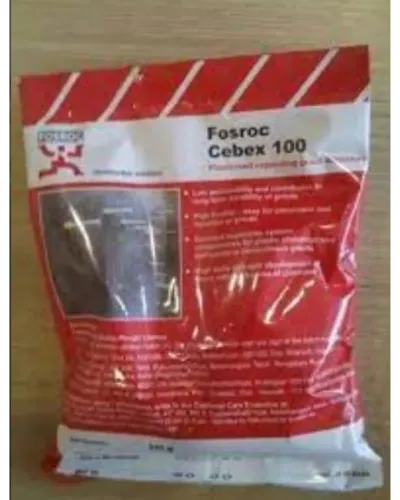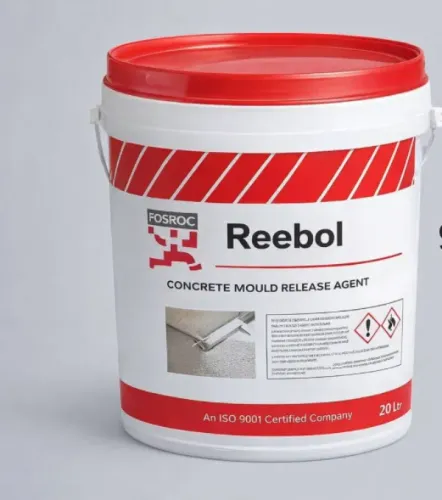
Waterproofing has become an essential part of modern construction, but not every waterproofing system works in the same way. Builders, engineers, and property owners often compare conventional waterproofing methods with crystalline waterproofing to determine which solution offers better long-term protection. Understanding the differences helps in selecting a system that suits the structure, environment, and maintenance expectations.
If you're looking for a Crystalline Waterproofing Admixture Supplier in Gujarat, it is useful to first understand how crystalline technology works and where it offers the greatest advantages.
Understanding Crystalline Waterproofing
Unlike surface coatings that create a protective layer on top of concrete, crystalline waterproofing works from within the concrete itself.
When the admixture is mixed into concrete or applied as a treatment, its active chemicals react with moisture and unhydrated cement particles. This reaction forms microscopic crystals that grow inside the concrete's capillaries and pores, blocking pathways through which water would normally travel.
Instead of simply covering the surface, crystalline waterproofing becomes an integral part of the concrete structure.
How Conventional Waterproofing Works
Traditional waterproofing systems generally rely on external membranes or protective coatings. These products create a barrier between the structure and water.
Common examples include:
- Bituminous membranes
- Acrylic waterproof coatings
- Cementitious coatings
- Polyurethane membranes
- Elastomeric coatings
These systems perform effectively when applied correctly, but they primarily protect the exterior surface and may require periodic maintenance depending on exposure conditions.
Key Differences Between the Two Systems
Understanding the distinctions helps project teams select the right waterproofing method.
Crystalline Waterproofing
Works inside the concrete structure and becomes an integral part of the construction. It reacts with moisture to form crystals that block water pathways and can self-seal minor cracks when moisture is present. It is less vulnerable to surface damage and is commonly used for below-ground structures such as basements, water tanks, and foundations.
Conventional Waterproofing
Protects the surface of the structure by creating an external waterproof layer. It is applied as a coating or membrane and does not have self-healing properties. Since it remains on the surface, it can be affected by physical damage, punctures, or peeling. It is often preferred for exposed areas where surface protection is required.
Both systems have their place in construction, and many projects successfully use them together.
Where Crystalline Waterproofing Performs Best
This technology is particularly beneficial in structures where waterproofing must remain effective for many years with limited access for future repairs.
Typical applications include:
- Basements
- Foundations
- Underground parking
- Water tanks
- Sewage treatment plants
- Lift pits
- Retaining walls
- Tunnels
- Reservoirs
Since the waterproofing is integrated into the concrete itself, it continues protecting the structure even if the surface experiences minor abrasion.
Advantages of Crystalline Waterproofing
The growing popularity of crystalline waterproofing is largely due to its long-term performance.
Some notable benefits include:
- Reduces water penetration
- Permanently seals concrete pores
- Protects steel reinforcement from corrosion
- Helps improve structural durability
- Self-seals fine cracks when moisture is present
- Suitable for both positive and negative water pressure
- Reduces long-term maintenance requirements
These advantages make it especially valuable in infrastructure and industrial construction.
Is Conventional Waterproofing Still Relevant?
Absolutely. Surface-applied waterproofing systems remain the preferred choice in many situations.
For example:
- Roof terraces
- Balconies
- Podiums
- External walls
- Wet areas
- Exposed decks
These locations require flexible surface membranes that can accommodate movement and weather exposure.
Rather than replacing conventional waterproofing, crystalline admixtures often complement it.
Factors to Consider Before Choosing
The right waterproofing system depends on several project-specific factors.
Evaluate:
- Type of structure
- Water exposure conditions
- Construction stage
- Accessibility for future maintenance
- Concrete quality
- Service life expectations
- Budget and lifecycle costs
Consulting experienced suppliers during project planning helps ensure that the selected solution aligns with both technical and operational requirements.
Why Gujarat Projects Are Increasingly Using Crystalline Waterproofing
Across Gujarat, rapid urban development, industrial construction, and infrastructure expansion have increased the demand for durable waterproofing systems. Structures in cities such as Ahmedabad, Surat, Vadodara, Rajkot, Bharuch, and Gandhinagar often face seasonal rainfall, fluctuating temperatures, and varying groundwater conditions.
Crystalline waterproofing is increasingly specified for projects where long-term protection and reduced maintenance are priorities, particularly for below-ground concrete structures.
Choosing the Right Supplier
Selecting a reliable supplier goes beyond purchasing a product. Technical guidance, product compatibility, application support, and consistent supply all contribute to successful project outcomes.
For contractors, consultants, and developers seeking crystalline waterproofing solutions in Gujarat, working with experienced providers such as Dolfin Projects helps ensure access to quality construction chemicals and appropriate technical recommendations. Choosing the right waterproofing technology early in the project supports stronger, more durable structures capable of resisting moisture-related deterioration for decades.
Keywords